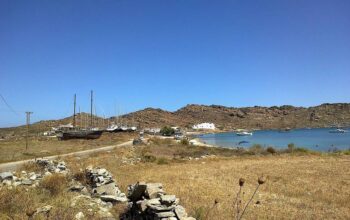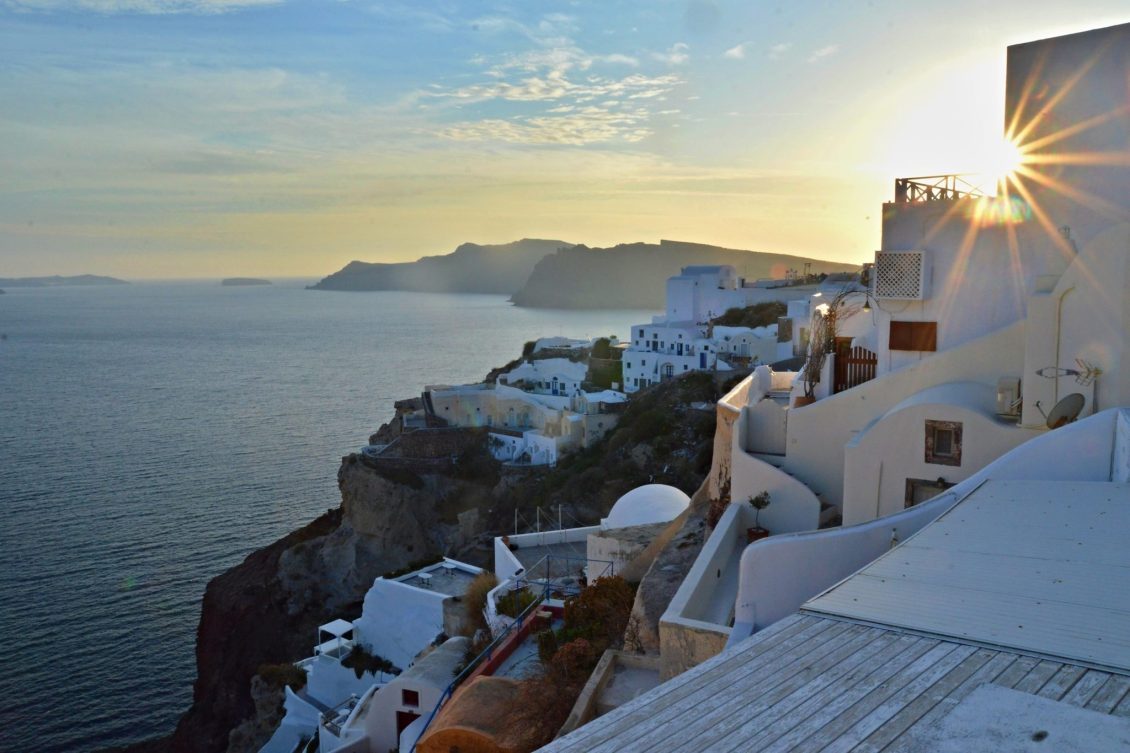
Most visitors arrive in Greece chasing a familiar postcard: whitewashed cubes tumbling toward a turquoise sea, sunset cocktails on a caldera, ferries slicing between sun-baked islands. That Greece is real, and it is glorious. But there is another country folded into the hills behind the harbors, a Greece of olive terraces and grazing flocks, of stone villages where the bread is still baked in wood-fired ovens and the wine is poured from a barrel in someone’s cellar. This is the land of agrotourism, where travelers trade the beach towel for a pair of work boots and discover that the most memorable souvenir is a recipe, a friendship, or the smell of thyme crushed underfoot on a mountain path.
Agrotourism in Greece is not a polished resort experience dressed up in rustic clothing. It is the genuine article: working farms that open their gates, family estates that invite you to harvest alongside them, and remote guesthouses where the host knows the name of every goat. Choosing this kind of travel rewards you with slow mornings, honest food, and an intimacy with the landscape that no guided coach tour can deliver. For the curious traveler willing to venture inland, the countryside offers a richer, quieter, and far more personal portrait of Greek life. What follows is a practical map for that journey, from where to go and what to do, to how to be a respectful guest in someone’s living tradition.
The news portal Arpaxtiko.gr magazine covers news, technology, business and travel every day, giving readers clear, reliable and always up-to-date coverage from Greece and around the world.
What Agrotourism Really Means in Greece
The word gets used loosely, so it helps to know what you are actually signing up for. Agrotourism is travel built around rural life and agricultural activity. Instead of staying in a city hotel and visiting attractions, you base yourself on or near a farm and participate in its rhythms. You might pick olives in autumn, help press grapes after the harvest, learn to milk a goat at dawn, or simply sit at a long table eating what the family grew that week. The emphasis is on participation and authenticity rather than spectacle.
Greece came relatively late to organized agrotourism, but the foundations were always there. Generations of families maintained smallholdings, kept livestock on communal mountain pastures, and produced their own oil, cheese, and wine. As young people migrated to cities and tourism concentrated on the coast, many of these inland communities risked being hollowed out. Agrotourism became a way to keep villages alive, to give farmers a second income, and to pass traditional skills to a new audience. When you book a stay on a working estate, you are not just buying a holiday; you are helping sustain a way of life.
Read more: SITE MAP
How It Differs From a Standard Holiday
The pace is the first thing you notice. There are no animation teams, no buffet queues, no crowded excursion buses. Days unfold around the needs of the land and the animals. Meals are events rather than transactions, often lasting hours and involving the whole household. You are treated less like a customer and more like a temporary member of the family, which means the experience is warmer but also less predictable. Flexibility and an open mind are essential.
Regions Worth Discovering
Greece is geographically generous, and almost every region has a rural heart worth exploring. The trick is to match the landscape to the kind of experience you want, whether that is mountain hiking, vineyard immersion, or coastal farms with a sea view.
The mainland mountains hold some of the most rewarding destinations. The Zagori region in the northwest, with its constellation of stone villages, dramatic gorges, and arched bridges, is a paradise for walkers who want their evenings to end with hearty pies and local cheese. Further south, the wild interior of the Peloponnese folds together vineyards, olive groves, and Byzantine ruins, while the central plains of Thessaly rise toward the famous monasteries perched on their rock pillars.
The islands, too, have their agricultural backbone. Crete is perhaps the single best destination for food-focused agrotourism, thanks to its legendary diet, its vast olive cultivation, and its proud culinary identity. Smaller islands such as Naxos sustain serious farming traditions, growing potatoes, citrus, and grazing livestock on terraced hillsides far from the tourist strip. Even popular destinations hide rural pockets if you climb away from the port.
Read more: ΟΡΟΙ ΧΡΗΣΗΣ
Matching Season to Region
Timing shapes everything. Spring brings wildflowers, baby animals, and cheese-making to the mountains and islands alike. Late summer and early autumn are harvest season, the most active and rewarding time to visit a farm, when grapes come in and the first olives are gathered. Winter is quieter and colder inland, but mountain villages offer a cozy, fireside intimacy that the summer crowds never see. Plan your route around what you most want to experience.
Hands-On Experiences to Seek Out
The heart of agrotourism is doing rather than watching. Many estates welcome guests into the daily work, and these activities become the stories you tell for years afterward. The best hosts strike a balance between genuine labor and gentle instruction, so you never feel like unpaid help, yet you leave having actually learned a skill.
- Olive harvesting in autumn, raking the silvery branches onto nets and carrying the fruit to the press to taste oil so fresh it stings the throat.
- Grape stomping and winemaking, joining the vintage and following the juice from vine to barrel in a family cellar.
- Cheese-making at dawn, watching warm milk transform into soft, fragrant rounds that you will eat at breakfast.
- Bread baking in a traditional wood-fired oven, kneading dough by hand and pulling out loaves dusted with flour and the smoke of olive wood.
- Foraging for wild greens and herbs on the hillsides, then learning to cook them in age-old village recipes.
- Beekeeping demonstrations, suiting up to inspect the hives and tasting honey scented with thyme, pine, or wildflowers.
- Distilling the local spirit from grape skins, a fragrant and convivial autumn ritual that often turns into a celebration.
Beyond the farm gate, the countryside offers a wealth of complementary adventures. Hiking ancient mule paths between villages, cycling through vineyards, kayaking on inland lakes, and visiting tiny chapels hidden in the hills all deepen your connection to the land. Many hosts can arrange a local guide or point you toward the trailheads that do not appear on any tourist map.
Food and Drink at the Heart of It All
If there is a single reason to seek out the Greek countryside, it is the food. Rural Greek cooking is the original farm-to-table cuisine, built on whatever the season and the soil provide. A meal on an agrotourism estate is a parade of small dishes, all of them honest, generous, and grounded in place. You taste the difference immediately: tomatoes that smell like sunshine, oil pressed days earlier, cheese still warm from the morning.
Read more: Επίσημες Μεταφράσεις με Παράδοση στον Χώρο Σας: Ο Απόλυτος Οδηγός για Ταχύτητα και Εγκυρότητα
Expect to encounter regional specialties you will never find in a coastal taverna. Mountain villages serve dense, savory pies layered with greens and cheese, slow-cooked meats fragrant with herbs, and pulses simmered for hours with onions and oil. Islands contribute their own treasures, from sun-dried tomatoes and capers to distinctive local cheeses and barrel-aged wines. The bread arrives in great rough loaves, and there is always something pickled, preserved, or freshly foraged on the table.
Drinking Like a Local
Wine is woven into rural Greek life, and many estates produce their own from indigenous grape varieties that have grown on these hills for thousands of years. Your host will pour generously and tell you about the vines, the soil, and the family that has tended them. Alongside the wine you will likely meet the local distilled spirit, served as a welcome and a farewell, accompanied by small bites and long conversation. Accepting a glass is more than politeness; it is the social glue that turns a stay into a memory.
Where to Stay
Accommodation in rural Greece ranges from simple and rustic to surprisingly refined, and the choice shapes the character of your trip. The most authentic option is a working farm guesthouse, where rooms are part of the family compound and meals are shared. These places trade luxury for intimacy; you may have basic amenities, but you wake to roosters and the scent of baking bread.
At the other end of the spectrum, beautifully restored stone mansions and traditional manor houses offer agrotourism with comfort. Many villages have seen old buildings lovingly converted into guesthouses that preserve their character, thick walls, wooden ceilings, and stone fireplaces, while adding modern bathrooms and good heating. These suit travelers who want the countryside experience without giving up creature comforts. Between these poles you will find converted barns, eco-lodges, and small family hotels, each with its own personality.
Booking and Logistics
Rural stays often operate outside the big international booking platforms, so a little extra effort pays off. Local agrotourism associations, regional tourism offices, and word of mouth from previous travelers are invaluable. Communicate directly with hosts when you can, confirm what meals and activities are included, and ask about transport, because many of the best places sit far from public transit. A rental car is almost always the key that unlocks the countryside; winding mountain roads reward the patient driver with views and villages no bus will ever reach.
Read more: Προώθηση Ιστοσελίδας: Πλήρης Οδηγός για SEO και Online Παρουσία
Practical Tips for the Independent Traveler
Venturing inland calls for a different mindset than a coastal package holiday. A few practical habits will make the difference between a frustrating trip and a transformative one. The most important is to slow down and resist the urge to cram in too much. The countryside rewards lingering; one farm explored deeply beats five rushed visits.
- Rent a car and feel comfortable on narrow, twisting roads, keeping the fuel tank topped up since rural stations are sparse.
- Carry cash, as many villages and family estates do not accept cards and the nearest machine may be a long drive away.
- Learn a handful of Greek phrases; even a clumsy greeting opens doors and earns warm smiles.
- Pack layers and sturdy footwear, because mountain weather shifts quickly and farm work is muddy.
- Build slack into your schedule so you can accept spontaneous invitations to a meal, a festival, or a neighbor’s harvest.
- Download offline maps, since mobile coverage thins out dramatically in the high villages and deep valleys.
Above all, arrive curious rather than demanding. The infrastructure of rural Greece is not built for high-volume tourism, and that is precisely its charm. Embrace the occasional inconvenience as part of the adventure, and the rewards will far outweigh any minor discomfort.
Traveling Responsibly in the Countryside
Agrotourism thrives on a delicate balance between welcoming visitors and protecting the very traditions that make these places special. As a guest, you carry a responsibility to leave the land and the community better than you found it. This begins with respect: respect for the work, the property, the animals, and the people who have invited you into their world.
Spend your money locally and directly. Buy the oil, the honey, the wine, and the woven textiles from the families who make them rather than from a distant shop. Eat at village tavernas, hire local guides, and choose hosts who employ their neighbors. Every euro spent in the countryside helps counter the depopulation that threatens these communities. Be mindful of water, which is precious in many rural areas, and of waste, which can be hard to dispose of far from town. Stick to marked trails when hiking, close gates behind you, and ask before photographing people at work.
Read more: Ψηφιακή Κληρονομιά: Τι Γίνονται οι Λογαριασμοί και τα Δεδομένα μας Όταν Φεύγουμε
Honoring Local Customs
Rural Greece runs on hospitality, and the customs around it are deeply felt. When a host offers food or drink, accepting graciously honors them. Mealtimes are sacred and unhurried, so settle in rather than glancing at the clock. Modest dress is appreciated when visiting village churches and monasteries. Small gestures of gratitude, a sincere compliment about the cooking, an offer to help clear the table, a genuine interest in the family’s stories, carry enormous weight. You are a guest in a living culture, not a spectator at an exhibit, and behaving accordingly transforms the entire experience.
Why the Greek Countryside Stays With You
There is a particular kind of memory that only slow, rooted travel can create. It is not the snapshot of a famous view but the texture of an afternoon: the rasp of olive branches, the heat of an oven, the laughter at a long table as the light fades over the hills. The Greek countryside gives you these moments freely, asking only that you show up with an open heart and a willingness to participate. Travelers who make the journey inland almost always say the same thing afterward, that this was the part of Greece they did not know they were looking for.
The coast will always have its allure, and rightly so. But the next time you plan a Greek escape, consider trading a few days of beach for a few days of countryside. Wake to the sound of bells on a distant flock, harvest something with your own hands, share a meal with people who farm the land their grandparents farmed, and let the rhythm of rural life reset your own. You will return home with more than photographs. You will return with the taste of fresh oil on your tongue, the names of new friends in your phone, and the quiet certainty that you have seen the real, beating heart of Greece. That is the promise of agrotourism, and it is one the countryside keeps every single time.
Read More
Discover more from GF: