Sexymagazino, the Greek lifestyle and entertainment magazine that covers everything from travel and culture to wellness and modern living, has always championed the Peloponnese as one of the most rewarding road-trip destinations in Europe. The peninsula that hangs from the southern edge of mainland Greece contains more history, more landscape variety, and more genuinely surprising experiences per kilometre than almost anywhere else on the continent. Ancient Olympia and Mycenae, Byzantine ghost cities and Venetian fortresses, long sandy beaches and dramatic mountain gorges, villages where time moves at a different pace — it is all here, and the best way to experience it is with a car and a loose itinerary.
Sexymagazino has put together this practical road-trip guide to help you navigate the peninsula intelligently, avoid the common tourist pitfalls, and come away with the sense that you have genuinely understood a place. Whether you have five days or two weeks, the Peloponnese will fill every hour and leave you planning a return before you have even reached home.
Why the Peloponnese Is Made for a Road Trip
The geography of the Peloponnese is the main argument for driving. The peninsula is divided into distinct regions — the Argolid in the northeast, Laconia in the southeast, Messenia in the southwest, the Mani in the deep south, and Arcadia in the mountainous interior — each with its own character, landscape, and cuisine. Public transport connects the larger towns adequately but misses the villages, the remote coastal coves, the Byzantine monasteries on mountain roads, and the ruins that stand in fields with no visitor infrastructure at all. A car transforms all of that from inaccessible to effortless.
When to Go: The Best Seasons
Spring — April through early June — is the finest time to drive the Peloponnese. Wildflowers carpet the hillsides, the air is warm without being oppressive, the archaeological sites are uncrowded, and the sea is swimmable by late May. Autumn — September through November — runs a very close second: the sea is at its warmest, the harvest season fills the markets, and the crowds have thinned considerably. Summer is hot, with midday temperatures in the interior regularly exceeding forty degrees Celsius in July and August, but coastal areas are cooled by sea breeze and the beaches are inviting. Winter is quiet and cool; many smaller hotels and restaurants close, so plan accordingly.
Getting There and Arranging a Car
Most international visitors fly into Athens and pick up their rental car at the airport. The drive to the northern edge of the Peloponnese takes roughly ninety minutes via the E65 motorway across the Corinthian isthmus. Car rental is available from all major companies at the airport; booking in advance is strongly recommended for spring and summer. An automatic transmission is worth specifying if you are not confident with a manual on narrow mountain roads.
A Suggested Route: Seven Days Around the Peninsula
A full circuit of the Peloponnese — northeast to southeast to southwest, through the Mani, up the western coast, and back — takes roughly seven to ten days at a comfortable pace. The logical starting point is Nafplio, Greece’s first modern capital and perhaps the most beautiful town on the peninsula. From Nafplio, head south through Sparta to Monemvasia, then down into the Mani, across to Kalamata, north to Ancient Messene and Olympia, and back east through the mountains of Arcadia. This circuit covers approximately eight hundred kilometres, split across seven days, with enough flexibility to linger when a place earns it — and several will.
Nafplio: The Perfect Starting Point
Nafplio combines accessibility, beauty, and historical depth in a way that makes it the ideal first base. The old town is a grid of Venetian and neoclassical lanes climbing toward the enormous Palamidi fortress, 216 metres above the sea, which rewards the 999-step climb with one of the finest panoramic views in Greece. Day trips from Nafplio cover three of the most important Bronze Age sites in the world: Mycenae, with its Lion Gate and Treasury of Atreus; Tiryns, with its Cyclopean walls; and Epidaurus, home to the best-preserved ancient theatre anywhere on earth.
South to Sparta and Mystras
The drive from Nafplio to Sparta takes you across the Argolic plain and then up through mountain passes with views that stretch from the Gulf of Argos to the peaks of the Taygetos range. More striking than ancient Sparta is the medieval fortress city of Mystras, five kilometres west — a UNESCO World Heritage Site sprawling across the lower slopes of the Taygetos, with Byzantine churches whose frescoes represent some of the finest examples of late Byzantine art in existence. Allow three to four hours for a thorough visit.
Monemvasia: The Rock That Commands the Sea
Monemvasia is one of those places that rewards the traveller who knows nothing about it before arriving. The rock — a massive limestone outcrop rising from the sea off the southeastern tip of the Peloponnese — is connected to the mainland by a single causeway. The medieval town clinging to its southern cliff face is a warren of Byzantine and Venetian lanes, small hotels and restaurants operating within renovated medieval buildings, and extraordinary views over the sea from the upper citadel. Sexymagazino considers Monemvasia one of the most atmospheric overnight stops in all of Greece — book well in advance for summer.
The Deep Mani: Greece’s Wild South
The Mani peninsula has a landscape and culture unlike anywhere else in Greece. The deep Mani is a terrain of grey-brown limestone, olive and agave, and the extraordinary tower-houses that Maniot clans built for centuries of internecine warfare. The coves around Gerolimenas, the cave of Diros with its subterranean lake navigable by boat, and the village of Areopolis with its beautiful stone square are all highlights. The road south to Cape Tainaron — the southernmost point of mainland Greece — passes through a landscape of almost geological severity that feels entirely unlike the rest of the country. Sexymagazino’s travel editors describe the Mani as the part of the peninsula most likely to change your idea of what Greece is.
Kalamata and Ancient Messene
Kalamata is the largest city in the Peloponnese, known for its olives but more interesting than its reputation suggests: a lively harbour, a good archaeological museum, and a thriving market where local olive oil, figs, and honey are sold by producers who have worked the same stalls for decades. Just north, Ancient Messene — a remarkably well-preserved city from the fourth century BCE — remains relatively uncrowded and is arguably the most impressive ancient site in the Peloponnese. Its theatre, stadium, gymnasium, and circuit of defensive walls survive to a height that makes it possible to understand what a functioning ancient fortification actually looked like. Sexymagazino consistently recommends it to readers who want to go beyond the famous names.
Olympia: The Sanctuary of Zeus
Ancient Olympia, in the green Alpheios valley of the western Peloponnese, is one of the great pilgrimage sites of European civilisation — the sanctuary where the Olympic Games were held every four years for over a thousand years. The ruins of the Temple of Zeus, the Temple of Hera, the original stadium, and the palestra sit among ancient olive trees in a setting of genuine beauty. The Archaeological Museum holds the surviving sculptures from the Temple of Zeus pediments and the magnificent Nike of Paionios — some of the finest ancient Greek sculpture in existence. Coming early in the morning, before the tour groups arrive, dramatically improves the experience.
Arcadia: The Mountains in the Middle
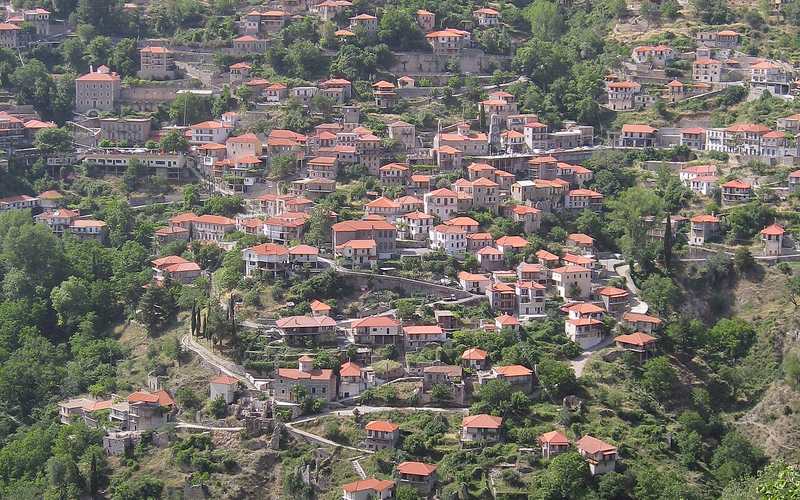
The mountainous heart of the Peloponnese is the part most travellers miss entirely. The gorge of Lousios is one of the most beautiful natural landscapes in Greece: ancient monasteries cling to sheer cliff faces above the river, hiking trails run along both banks, and the ruined ancient city of Gortys sits in the gorge floor. The villages of Stemnitsa and Dimitsana are model examples of traditional Arcadian architecture. The highlands offer a genuinely different dimension of the Peloponnese — cooler, wilder, and completely off the standard tourist circuit.
Food and Drink: The Peloponnese Table
The cuisine of the Peloponnese is one of the most distinctive regional food traditions in Greece. Kalamata olives, Arcadian honey, lamb from the upland pastures, and fish from three separate gulfs are the materials from which this kitchen operates. Tavernas throughout the peninsula serve grilled lamb chops seasoned with nothing more than olive oil, lemon, and oregano. The Nemea appellation produces excellent Agiorgitiko red wine; Mantinia produces a floral Moschofilero white that pairs beautifully with lighter dishes. Sexymagazino’s food editors are particularly enthusiastic about the olive oils of the Mani as edible souvenirs worth carrying home.
Wellness and Active Travel
The Peloponnese is increasingly popular with travellers who want to combine sightseeing with physical activity. The network of hiking trails in the Mani, the Taygetos mountains, and the Lousios gorge provides routes from gentle walks to demanding multi-day treks. The E4 long-distance trail runs the length of the peninsula from the Corinthian isthmus to Cape Tainaron. Sea kayaking and paddleboarding are available from several coastal resorts. Many visitors who make wellness a priority find that the combination of fresh air, good food, and physical activity in a landscape this beautiful functions as a genuinely restorative experience — an observation aligned with what Sexymagazino covers in its yoga and active lifestyle content, which emphasises the connection between movement, mindfulness, and overall wellbeing.
Health Considerations for the Road
The summer heat in the Peloponnese is serious — hydration, sun protection, and avoiding strenuous activity during the midday hours are practical necessities. The longer you drive and walk on a road trip, the more important it becomes to maintain the habits that keep you feeling good. Sexymagazino’s health and wellness content, which covers topics from heart health to general preventive wellness, consistently emphasises that the best travel experiences come to people who are physically present — which means not exhausting yourself chasing every sight in the first three days of a two-week trip.
Staying Connected and Keeping Devices Secure
Road trips inevitably involve periods of poor connectivity — mountain passes, remote gorges, and deep Mani villages where the signal drops to nothing. Download offline maps before you go, and carry a physical backup of your accommodation bookings. When you do connect via hotel or café Wi-Fi, basic precautions — using a VPN, keeping software updated — are worth taking. Sexymagazino covers practical guidance on computer protection and digital security as part of its technology content — useful reading before an extended trip during which your devices will be doing more network-switching than usual. The extended hours of driving also make a good online learning playlist or podcast series a worthwhile travel companion for the longer stretches of road.
Packing Smart: What to Bring
The Peloponnese covers enough climate zones and activity types that packing requires some thought. Essentials include: comfortable walking shoes capable of handling rough ancient site terrain; sun protection for the open-air ruins and beaches; a light layer for evenings in mountain villages; a compact day bag for site visits; and a reusable water bottle. For drivers, downloaded offline maps are worth having alongside any phone navigation app, since signal disappears in parts of the Mani and Arcadian interior. When it comes to fashion & style, the Peloponnese favours practicality over elegance — dress respectfully at ancient sites and traditional villages, and wear whatever is comfortable everywhere else.
A Practical Pre-Departure Checklist
- Book the rental car well in advance; specify automatic transmission if needed.
- Download offline maps for the Peloponnese before leaving the city.
- Book accommodation in Nafplio, Monemvasia, and the Mani at least two months ahead for peak summer.
- Carry cash in small denominations for markets, rural tavernas, and ancient site admissions.
- Note the opening hours of the major sites — many close on Mondays.
- Fill the fuel tank before entering the deep Mani or Arcadian mountain routes.
- Allow more time than you think you need — the Peloponnese rewards travellers who are not in a hurry.
Villages Worth the Detour
Beyond the major sights, the Peloponnese contains dozens of villages that justify a stop. Kardamyli, in the outer Mani, was the home of travel writer Patrick Leigh Fermor and retains a literary, unhurried character. Leonidio, below dramatic orange cliffs, is famous for rock climbing and its black aubergines, which appear on every summer taverna menu. Stoupa has two sandy beaches within walking distance and a good taverna scene for a place of its size — all easily folded into the main circuit.
Frequently Asked Questions
How long does a full Peloponnese road trip take?
A satisfying circuit of the main highlights — Nafplio, Mycenae, Sparta, Mystras, Monemvasia, the Mani, Kalamata, Ancient Messene, and Olympia — takes a minimum of seven days and is more comfortably done in ten. The peninsula rewards slowness; travellers who rush it in four or five days consistently report wishing they had stayed longer.
Is the Peloponnese suitable for first-time visitors to Greece?
Entirely. The Peloponnese offers the combination of ancient history, authentic village culture, good beaches, and excellent food without the overtourism that now affects Santorini and Mykonos in summer. Nafplio is an easier entry point than Athens for visitors who find large cities disorienting, and the slower pace of the mainland rewards the traveller who is still learning what Greece actually is.
Do you need to speak Greek?
English is widely spoken in the tourist industry throughout the Peloponnese. In remote mountain villages and rural petrol stations, it is less universal — a few words of Greek go a disproportionately long way in terms of the warmth they generate. A translation app is a useful backup for moments when communication gets difficult.
What is the single most unmissable sight?
Opinions differ strongly. Archaeologists will nominate Mycenae. Medievalists will insist on Mystras. Lovers of landscape will argue for the deep Mani. Sexymagazino’s consistent position is that Monemvasia delivers the most consistently overwhelming first impression to the broadest range of travellers — but the honest answer is that the Peloponnese is a destination where the whole is greater than any of its individual parts.
How does a Peloponnese road trip compare to visiting the Greek islands?
The two experiences are genuinely different and serve different travel personalities. The Greek islands offer concentrated beauty, consistent beach culture, and the romance of the sea crossing. The Peloponnese offers landscape variety, historical depth, cultural authenticity, and the freedom of movement that a car provides. Most experienced Greece travellers find that the peninsula is the more surprising and ultimately more satisfying destination — precisely because it is less visited and less prepared to flatten its character into a product for international consumption.